
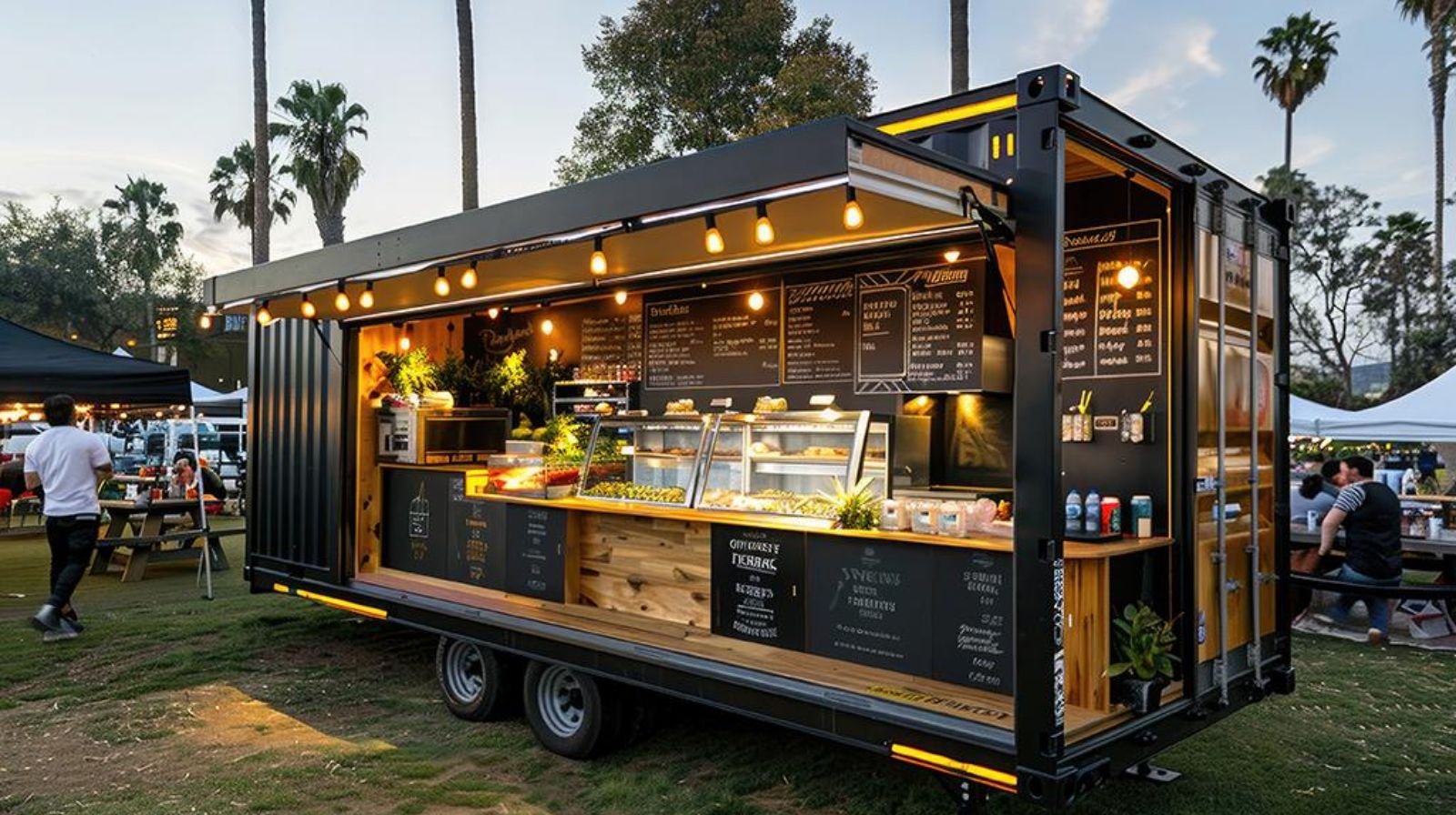
How to Start a Food Truck Business in the US: Complete Guide and Business Plan
Starting a food truck business is a highly promising venture that is rich in growth prospects, especially for growing businesses looking to increase their services or international business owners joining the U.S. market. Food trucks enable business owners to establish a brand and connect with customers directly with the help of lower startup fees compared to conventional restaurants, flexibility in location, and the opportunity to experiment with new dishes.
This detailed manual will take you through all the necessary steps- planning and expenditure through legal issues, day-to-day operations, and advertising- to ensure you are equipped with the knowledge to start well.
Understanding the Food Truck Business Model

Food trucks have a number of advantages compared to traditional restaurants. Their overhead is less, staffing is minimal, and they can move to locations of high demand. Mobile kitchen enables you to take your food to your diners at gatherings, in business districts, or community hubs, where you can earn and, at the same time, enhance brand awareness.
The food truck business within the U.S. alone is making billions of dollars annually, and is also steadily performing in the name of changing consumer tastes towards the preferences of convenient and high-quality dining. A standard food truck business runs effectively, employing between five and 15 people, and it hits the right balance between quality control and customer service.
The Steps to Open a Food Truck: Planning
Your business concept must be clearly defined before starting your truck. Good food trucks reduce variety by specializing in a small number of menu items that they do very well. Key considerations include:
- Type of cuisine:Are you offering gourmet tacos, vegan comfort food, BBQ, or fusion cuisine?
- Target Audience: Are you going to serve office workers, night diners, or festival-goers?
- Brand Identity: Have a catchy name, logo, and visual theme that displays your personality and food.
The full food truck business plan must contain the menu development, price setting, marketing strategy, and operational processes. This plan is a roadmap, as well as a funding-granting assistance.
What is the cost of starting a food truck business?
It is important to know the financial requirements. Major expenses include:
- Truck Purchase: $50,000- $200,000, depending on new or used.
- Kitchens:Ovens, fryers, grills, refrigerators, prep stations, and POS systems.
- Licenses and Permits:Depending on the city and state.
- First: Inventory: Ingredients and supplies.
- Marketing and Branding: Truck wrap, website, social media campaigns, and launch events.
- Working Capital:Cash that will hold the initial few months of fuel, staff salaries, and supplies.
Funding Options
Your startup can be financed in several ways:
- SBA Loans: Government-guaranteed loans on preferential terms.
- Traditional Bank Loans: This requires good credit and a strong business plan.
- Equipment Financing: This category of loans is specific to trucks and kitchen equipment.
- Private Investors: They contribute equity in the form of capital.
- Crowdfunding: You can raise funds as well as create a customer base through platforms such as Kickstarter.
What Are the Starting Steps to a Food Truck?
Some of the legal and operational prerequisites are:
- Business Registration: Select a partnership, LLC, or S-Corp and acquire an EIN to file taxes.
- Business License: This is legal permission to conduct business in your city or county.
- Vehicle License: License your truck and make sure that it is safely operable.
- Food Handler Permits:A person handling food must have a Food Handler Permit.
- Health Department Permit:Makes sure that health codes are met.
- Fire Safety Permit: Check that fire cooking equipment and suppression systems are in accordance with the local regulations.
- Parking and Zoning Permits: follow local limitations as to the sites of operation.
Choosing and Furnishing Your Food Truck
The selection of an appropriate vehicle is critical in order to be efficient. Take into account the arrangement in the kitchen, the necessary equipment, and the local standards. To reduce initial expenses, entrepreneurs usually choose used trucks, and others purchase new and custom-built vehicles with warranties.
The necessary equipment is:
- Business-related cooking (grills, fryers, ovens) appliances.
- Freezers and fridges.
- Preparation and storage of food.
- Hand-washing stations
- Fire suppression and ventilation systems.
- POS systems for payments
An efficient layout is pledged through a well-planned layout that is efficient and meets the health and safety requirements.
Creating Your Team and Payroll
A good team is important as your business expands. Consider:
- Remuneration and Salaries:Compensation is competitive with the local standards.
- Scheduling: Effective time scheduling of shifts to eliminate overstaffing.
- Perks:Voluntary benefits, such as health insurance or PTO, can help attract good talent.
Well-defined roles and responsibilities within a small workspace provide ease of operations and excellent customer satisfaction.
How to Market and Grow Your Food Truck Business
Efficient food trucks combine digital marketing, local collaboration, and community activities:
- Social media to promote locations, daily specials, and events.
- Lasting branding of the truck design, the website, and promotional documents.
- Fidelity programs, catering services, and partnerships with local companies.
- Presence in food and community events to broaden the exposure.
Your food truck can attract loyal customers by merging quality service, new menus, and effective marketing.
Final Thoughts
It is not an easy or rewarding venture to start a food truck. A comprehensive food truck business plan makes sure that all aspects are covered, including starting capital, licenses and permits, marketing approaches, and staffing. Through proper planning, creativity, and taking care of customer satisfaction, your food truck would expand to be a profitable and recognizable brand.
Frequently Asked Questions (FAQs)
Why is it expensive to open a food truck business?
The startup cost usually falls between $50,000 and $200,000, depending on whether you purchase a new or used truck, kitchen equipment, licenses/permits, and initial inventory. Your budget should also include marketing and working capital.
What license and permit do I need to run a food truck?
A business license, vehicle registration, food handler permits, health department approval, fire safety permits, and parking or zoning permits (detailed on a city-by-city or state-by-state basis) will be required.
Is any previous experience required to begin the business of a food truck?
Though previous experience in the culinary or business field is useful, it is not required. You can succeed with the help of a sound food truck business plan, research, and commitment.
Where will I get the money to finance my food truck?
They could be SBA loans, conventional bank loans, equipment leasing, personal investors, crowdfunding sites, or personal savings.
Which kind of food am I supposed to sell out of my truck?
Menus that are special and executed well are the best. Specialize in tacos with a gourmet twist, vegan food, or BBQ, or in an unusual fusion cuisine, and do not dilute resources with a lengthy menu.
What number of employees do we require in a food truck?
The average size of a team is between 5 and 15 people, based on the size of your operation and the complexity of your menu. Cooks, cashiers, and support staff usually come in as roles.
Is a restaurant less difficult to manage than a food truck business?
A food truck needs less overhead and startup costs, and it is mobile. Severe size of kitchen, mechanical breakdowns, local regulations, and long working hours are some of the problems, though.
What do I do to market my food truck?
Blend social media updates, event attendance, loyalty programs, collaborating with local businesses, and doing regular branding of your truck and online presence.
Am I able to grow my food truck business in the long run?
Yes. To increase exposure and revenue, many successful owners begin with one truck and grow to a fleet, host events, or attend food festivals.
What do I do to make my food truck profitable?
Keep track of costs, define routes and locations, keep food and service as high quality as possible, analyze sales trends, and customer loyalty and marketing actions.