
Unlikely Partners: How The CIA and the Mafia Worked Together
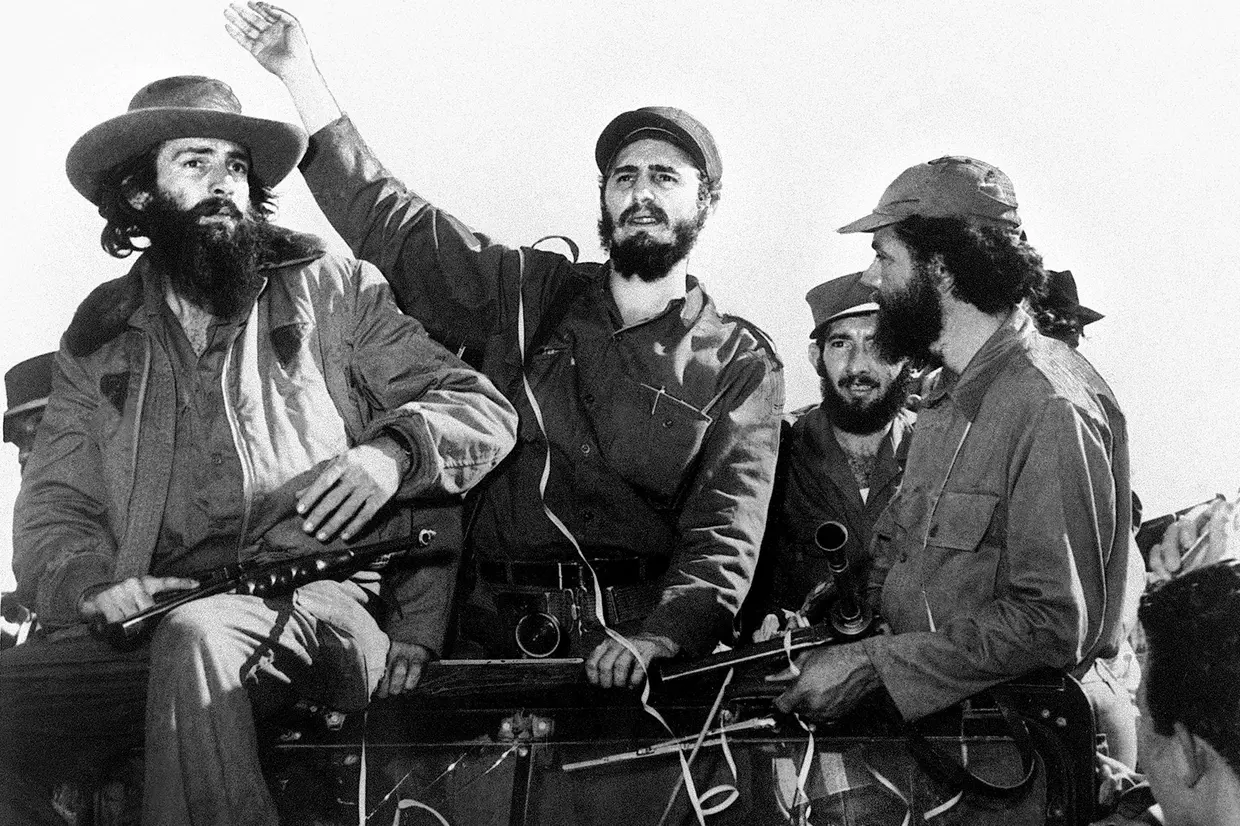
After the Castro revolution that toppled Fulgencio Batista in Cuba, the Central Intelligence Agency (CIA) wanted to eliminate Fidel Castro and attempted to find Mafia connections that also had the same motivations against Castro.
According to released documents, CIA recruited a former FBI agent and private investigator for Howard Hughes named Robert Maheu to meet with west coast Chicago mobster Johnny Roselli in Las Vegas. Allegedly, Maheu did not disclose that he was contracted by the CIA and represented himself as a supporter for international corporations looking to kill the communist leader. Maheu offered Roselli $150,000 for the assassination; however, Roselli refused but introduced Maheu to two other mafia figures, Sam Giancana and Santo Trafficante Jr.
According to reports, neither Roselli, Giancana or Trafficante accepted any payment for the job. Giancana’s idea was using poison pills in Castro’s food and drink that the CIA agreed to provide. Giancana had a contact in the Castro government that had access to Castro’s meals. After six failed attempts, the source withdrew from the mission. A second attempt was made by the mobsters using a paid Cuban exile that was provided communication equipment by the CIA.
The entire operation was soon cancelled due to the upcoming invasion of the Bay of Pigs in April 1961. A U.S. back invasion of Cuban exiles that failed at the end without the promised air support by the Kennedy administration.
Years later, on the night of June 19th, 1975, before Giancana was scheduled to testify in front of the United States Senate Church Committee investigating collusion between the CIA and the Cosa Nostra. Giancana was killed in his home in Oak Park, Illinois by a gunman who entered his home through the basement and shot Giancana seven times in the head and neck area while he was cooking sausage and peppers. The murder was never solved.
On August 7th, 1976, Roselli’s decomposing body was found by a fisherman in a 55-gallon steel fuel drum floating in the Dumfoundling Bay near North Miami Beach. According to authorities, the cause of death was asphyxiation. There are many theories why Roselli was murdered, including because of his testimony a year earlier with the Senate Intelligence Committee. He testified in detail to his role in the Castro assassination attempt, a cardinal error since the Mafia frowns against public attention to Mafia operations. Giancana was murdered five days after Roselli testified in front of the Church Senate Committee. Roselli’s murder was also never solved.
In 1978, Trafficante testified in front of the U.S. House Select Committee on Assassinations and admitted his anti-Castro activities while vehemently denying any role in the Kennedy assassination. Trafficante was later indicted on federal racketeering charges in 1986 and died the following year.
The collusion between the Mafia and the CIA was revealed during U.S. Senate hearings in the mid-seventies and in declassified CIA reports. This was not the first time that the United States government worked with the Mafia. During Operation Underworld, the U.S. government solicited the assistance of the Italian American mafia including Lucky Luciano who was serving a significant federal sentence.
During the Second World War, the Office of Naval Intelligence (ONI) struck a deal with Luciano and other organized crime figures to help secure U.S. ports that were being sabotaged by the Nazis. Luciano directed Mafia controlled unions to stop labor unrests on the docks while providing security and intelligence sharing. After the war, Luciano’s sentence was commuted and was deported to Italy.
The U.S. government has had a history working with organized crime on different national security issues, and the CIA just continued that tradition.