
Is Baking Soda Gluten Free?
Baking soda is an ingredient that is used globally in kitchens. It assists in the rise of baked goods and facilitates cooking. However, sometimes people keeping to a gluten-free diet also wonder the following question: is baking soda gluten free? It is significant to those who have celiac disease or are gluten sensitive in order to understand this. We are going to tell you all you have to know about baking soda and gluten in this article.
What is Baking Soda?
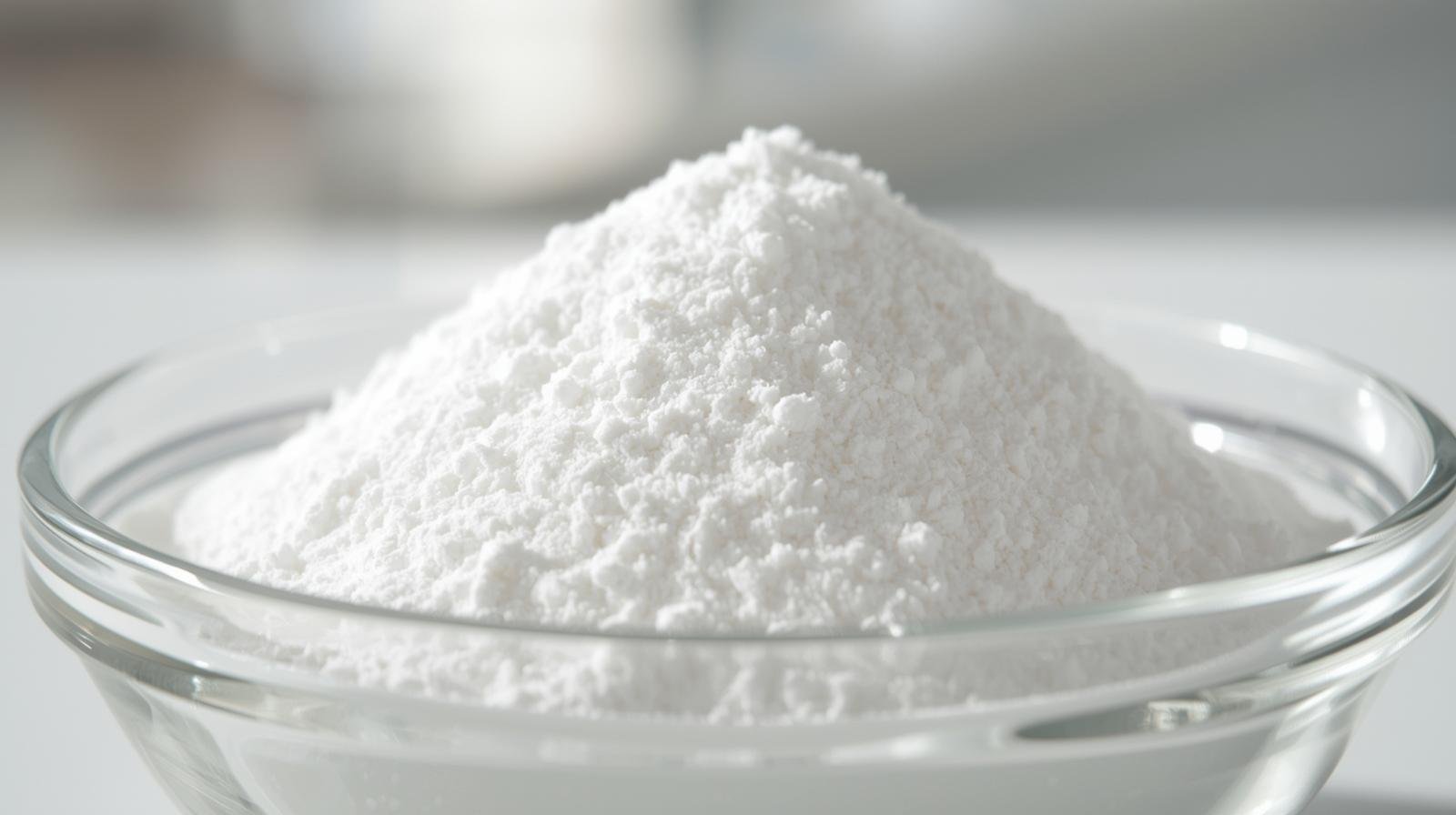
Sodium bicarbonate, which is commonly referred to as baking soda, is a white powder. It is naturally alkaline. In baking, it combines with acidic substances. The reaction yields carbon dioxide that causes cakes and bread to be airy. Cleaning and deodorizing with baking soda is also done. It is stored in the pantry of many houses utilizing it in a variety of ways.
Wheat, barley or rye is not an ingredient that produces baking soda. It is to say that it is not natural gluten containing.
Understanding Gluten
Gluten is a form of protein that is present in wheat, barley and rye, and their derivatives. It is what makes bread chewie. A lot of processed food has hidden gluten. It should be avoided by people with gluten intolerance or celiac disease. In some sensitive persons, gluten might have digestive problems, skin problems and fatigue.
It is important to know the types of food that contain gluten in order to observe a gluten-free diet. It is not on that list naturally that baking soda.
Can Baking Soda be Found in All-Natural?
The short answer is yes. Baking soda is gluten free by nature. It is prepared using a chemical compound known as sodium bicarbonate and it has no grains. This implies that it is gluten-free and can be cooked and baked.
Baking soda will not cause gluten based health problems as compared to flour or wheat-based ingredients. You can comfortably add it in recipes targeting gluten-free diet.
Potential Contamination Risks
Baking soda is gluten-free, but it can be cross-contaminated. In other factories, there are various factories that use the same equipment to do multiple products. This may subject baking soda to gluten.
In order to be safe, seek gluten-free certified baking soda. Most of the brands identify their products. Look at packaging always when you have either a celiac disease or a severe sensitivity to gluten.
Advantages and Disadvantages of Baking soda

Advantages
- Gluten free:Safe among celiac disease patients.
- Multi-purpose:Can be used to bake, clean and look after oneself.
- Leavening agent:Aids gluten free recipes to rise correctly.
- Health effects:May assist in digestion and oral hygiene with moderate usage.
Disadvantages
- Risk of cross-contamination: There will be some brands that process it with gluten products.
- Possible side effects: When taken in too much, they may lead to stomach upsets.
- Taste effect: An excessive amount of consumption in baking would create a bitter taste.
Baking Soda in Gluten Free Recipes
Baking soda is one of the essential ingredients in gluten-free baking. It aids in the rise of cakes, muffins, cookies and bread.
In gluten-free baking, the soda must not be used but rather used with acidic substances such as lemon juice, vinegar, or yogurt. This reaction enhances a texture and taste.
Most gluten-free flours such as almond flour, coconut flour and rice flour use baking soda as their raising agent. In its absence, baked goods are either dense or flat.
Health Benefits of Baking Soda
In baking, baking sodais useful in addition to baking. It may also be helpful in digestion, neutralizing stomach acid. It is also helpful in oral cleaning as it whitens teeth and removes plaque.
Also, there is the use of baking soda to clean. It eliminates stains, deodorizes surfaces and can even treat minor irritations on the skin.
Baking soda is safe however must be used sparingly. It can lead to health problems due to excessive use.
Common Misconceptions
There is a common misconception that baking soda can be glutenous. This is normally because of the confusion with baking powder. Depending on the brand, baking powder may contain wheat starch.
Always check the label. Pure baking soda contains no gluten, and is safe in any gluten free recipe.
Purchasing and Storing Baking Soda
In purchasing baking soda, check on well-known brands. label gluten-free certification where necessary. Keep it in a place that is cool, dry and not in moisture.
When measuring baking soda use a clean, dry spoon. Do not store it in containers that held products containing gluten before so as to avoid cross-contamination.
Conclusion
So, is baking soda gluten free? Yes, it is gluten-free by nature. It has no wheat, barley or rye. Celiac disease and gluten sensitivity People with celiac disease and gluten sensitivity can use baking soda.
Nevertheless, never forget to check boxes with warning about cross-contamination. Adding baking soda to gluten free recipes makes your baked goods rise to perfection. It is important to remember that such a seemingly insignificant ingredient as baking soda can become a major contributor of gluten-free cooking.
Baking soda is a safe, diverse, and necessary staple in any kitchen hence when used properly and with care it will continue to be.