
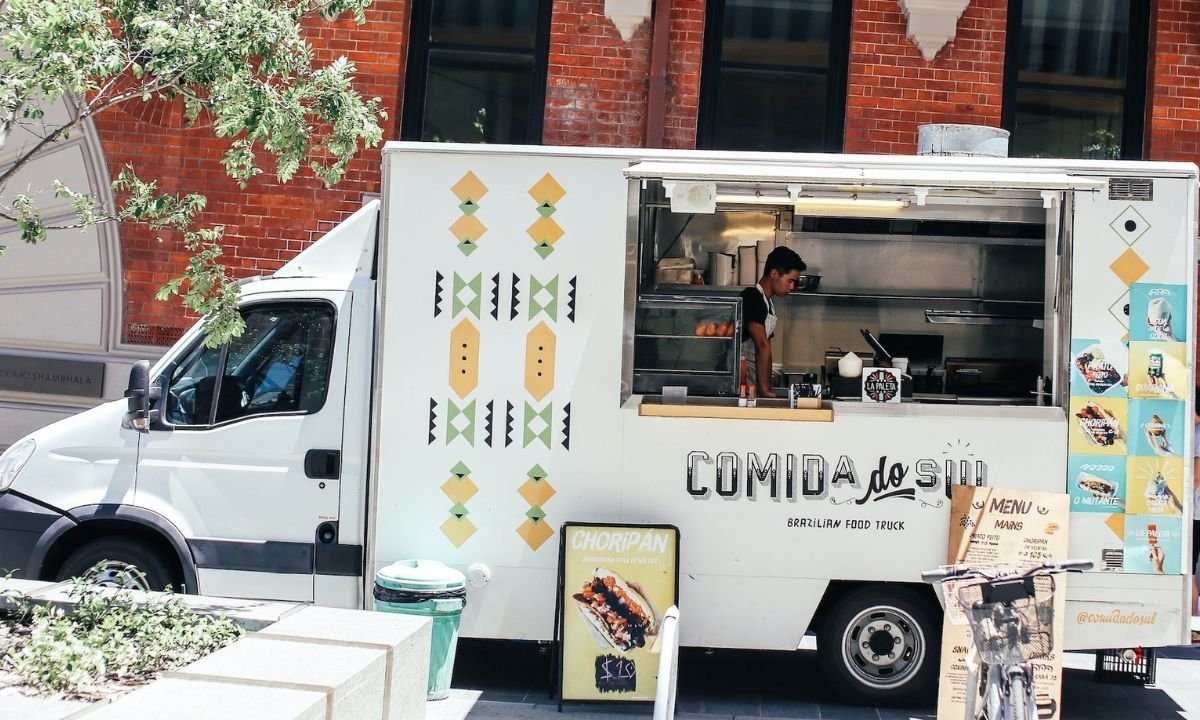
Lunch Truck Business Plan: Starting Your Food Truck in 2025
One of the most optimal recommendations to venture into the food industry at a lower cost compared to a traditional restaurant is to start a lunch truck business in 2025. Food trucks have gained popularity as an option in urban areas, business districts and venues. Having an appropriate strategy, your lunch truck can attract hundreds of customers a day and be profitable to the full extent.
This is a step-by-step lunch truck business plan approach, which includes the market research, commencing costs, menu planning, licensing, marketing, and expansion plans.
Step 1: Lunch Truck Market Research
Get to know your market before you invest.
- 2025 Trends:Plant-based foods, healthy meals, global street foods and ordering technology.
- Customer Demands:Office workers seeking fast lunches, students, visitors of events and tourists.
- Competition Check:Visit other food trucks in your area. Research on their menu, prices and traffic.
TIP:Identify a unique selling point (USP), such as fresh organic bowls, real tacos, fusion sandwiches.
Step 2: Estimate Startup Costs
Financial planning should be provided in your lunch truck business plan.
An example of startup costs of a lunch truck in 2025:
- Food truck truck: $50,000- 120,000 (new or used).
- Kitchen equipment: $15,000-$30,000
- Initial inventory: $3,000-$8,000
- Permits and licenses: $2,000-$5,000
- Branding and marketing: $2,000-$7,000
- POS and ordering system: $1,500-$5,000
Average amount of startup investment: $75,000-150,000.
Step 3: Get Your Business Plan Written

Your success will be directed by a clear business plan. Include these sections:
- Executive Summary –Your vision and target market plus your concept of food.
- Company Overview –Who we are, mission statement and business goals.
- Market Research – Study regarding the food trucks in your city.
- Menu and Concept –A detailed account of the meals, price and the customer appeal.
- Operations Plan –The way you are going to operate the truck on a daily basis, staffing and supply chain.
- Financial Plan – Income forecasts, expenditure and profitability.
- Marketing Strategy – How you will attract and keep customers.
Step 4: Choose the Right Menu
The core of your business is your menu. Make it economical, uncomplicated and attractive.
Most likely lunch truck menu items in 2025:
- Wholesome grains and salads.
- Fusion tacos and wraps
- Gourmet burgers and sliders
- Vegan and plant-based meals
- The Asian street food (ramen, noodles, dumplings)
- Fresh juices and smoothies
Make the menu short (5-8 main dishes). This eliminates wastage and accelerates service.
Step 5: Licensing and Permits
Food trucks should observe rigorous health and safety regulations. Depending on the city you live in, you might require:
- Business license
- Food truck permit
- Certification of health department.
- Fire safety inspection
- Permit to park or sell merchandise.
- Employer Identification Number (EIN) where staff being hired.
Please refer to your local city hall or business bureau to acquire 2025 requirements.
Step 6: Identify the Ideal location
Location is key to success.
Best lunch truck locations are:
- Business areas in lunch time.
- College and university campuses.
- Downtown tourist areas
- Sporting events, festivals and concerts.
- Areas of industries with minimal foods.
This is by switching to other high-traffic locations on alternate days.
Operation Step 7: Operations and Staffing
Happy customers are characterized by smooth day to day operations.
- Recruit 1-3 employees to cook, serve and handle cash.
- Food safety and customer service training of train staff.
- Take up POS systems to carry out quicker deals and monitor sales.
- Clean and tidy your truck to be checked.
A typical lunch truck owner begins by working and then increased the staff with rise in sales.
Step 8: Marketing and Branding
Your brand will be different in the competitive food truck industry.
Branding tips:
- Choose a catchy truck name.
- Wear bright color and innovative designs of truck.
- Develop a mere, identifiable logo.
Marketing strategies for 2025:
- Develop a robust Instagram, Tik Tok and Facebook presence.
- Collaborate with delivery applications, such as Uber Eats, DoorDash, or Grubhub.
- Have QR codes on your truck on menus and ordering.
- Provide loyalty cards or Electronic punch cards.
- Participate in the local food truck festivals to be exposed.
Step 9: Financial Projections
A lunch truck has a lot of potential to make a lot of money.
OTA lunch truck revenue (2025):
- Daily revenue: $800-$2,000
- Monthly revenue: $20,000-$50,000
- Net profit margin: 10%-25%
Exercise:A truck that earns 1,200/day and travels 25 days a month will earn 30,000/month revenue. You would make $5,000-8,000 profit a month after expenses.
Step 10: Growth Strategies
When you have a successful lunch truck, grow your business.
- Add a second truck to a different part of the city.
- Bring in corporate catering services.
- Collaborate with coffee stores or breweries.
- Create a food truck brand which may be developed into a restaurant.
Final Thoughts
The food entrepreneurs have a huge opportunity to start with a lunch truck business in 2025. Being cheaper than restaurants, highly mobile, and with high demand of quick food, a well-thought-out food truck can become a successful business.
The key to success lies in:
- Researching your market
- Choosing a unique menu
- Managing costs
- Building a strong brand
- Conformity to customer feedback.
The lunch truck business plan can be followed to establish a successful and lasting business, which can provide hundreds of happy customers every day.
Frequently Asked Questions
Do lunch trucks make sense in 2025?
Yes. Most of the food trucks have an annual revenue of 250,000-600,000 when well planned.
How much does it cost to start?
Average of $75,000-150,000, based on location, size of truck and menu.
Do I need a license?
Yes. You require food truck licenses, health certifications and local vending licenses.
What are the risks?
The stiff competition, geographical limitations, cost of fuel, and seasonal demand.
How do I attract customers?
It provides food that is inimitable, ensures quality, good branding, and advertising on social media.