
Sunday Deadline: Trump Pressures Hamas on Gaza Peace Offer
Friday, October 3, 2025: former U.S. President Donald Trump made a dramatic ultimatum to Hamas: accept his 20-point peace proposal for Gaza by Sunday at 6 p.m. (Washington D.C. time), or face all hell like no one ever saw before.
This article gets into the specifics of the proposal by Trump, the terms he offered, the reactions of those in the region, and the dangers that would transpire if Hamas declines the plan.
What’s in Trump’s Gaza Plan?
In his 20-point proposal, Trump presents a number of conditions and modifications that Gaza should undergo. Some key elements are:
- Cessation of military action and an instant ceasefire in Gaza
- Hostages, whether alive or dead, were released by Hamas.
- The gradual withdrawal of Israel from Gaza
- Denuclearization of Hamas and handing over its weaponry
- Transitional governance: establish a global transitional government, which is a Board of Peace or an interim government, to lead Gaza through the reconstruction process
It is interesting to note that the proposal is silent on a course of action towards Palestinian statehood, which is one of the key points of contention by critics.
Trump’s Ultimatum & Threats
The ultimatum is forceful. Trump declared:
“An Agreement must be reached … by Sunday Evening at SIX (6) P.M.… If this LAST CHANCE agreement is not reached, all HELL, like no one has ever seen before, will break out against Hamas.”
He also cautioned that Hamas fighters have been surrounded and militarily besieged, saying:
“We know where and who you are, and you will be hunted down and killed.”
Trump encouraged civilians to relocate to safer areas, but safe areas were not specified.
Reactions & Support
- The Israeli Prime Minister Benjamin Netanyahu has supported the plan of Trump, but with various conditions.
- The Foreign Minister of Egypt urged Hamas to take the offer and disarm.
- The Middle East and the Arab countries, such as Qatar and Turkey, are actively involved in the diplomatic activities attempting to convince Hamas.
The plan has not, however, been publicly accepted by Hamas. Other officials claim that they are looking at it and purchasing concern points.
What Are the Stakes?
In case Hamas declines the offer, Trump and his supporters have threatened a complete escalation. The dangers include:
- Violent Israeli retaliation (with U.S. backing)
- Aggravated humanitarian crisis in Gaza: further food, water, and medicine deficits.
- Heightened instability of the region with a risk of spreading over to other countries.
- Politics: The backlash of the plan by those who favor or criticize it.
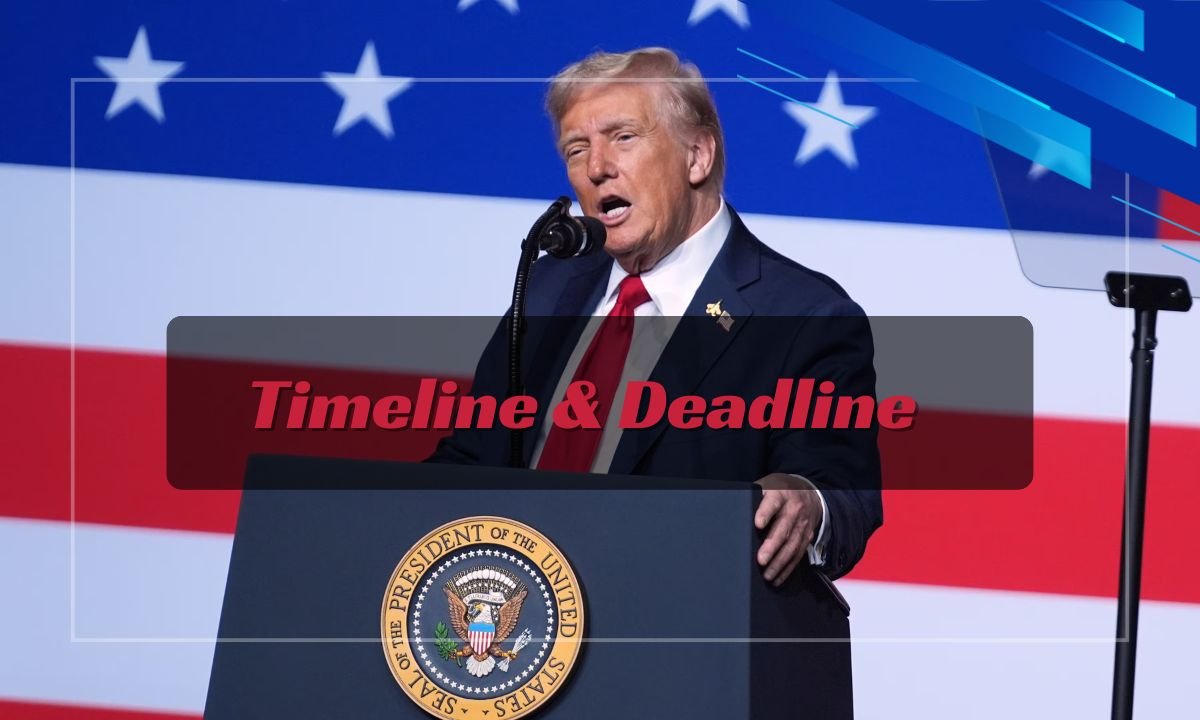
Timeline & Deadline
Hamas had until Sunday, 6 p.m. Washington D.C. time (about 22:00 GMT) to formally concur.
- Trump had already indicated that Hamas had three or four days to reply; however, the schedule is now set in stone.
- Certain local brokers are requesting prolongation. Among others, Qatar says that Hamas might require more time to deliberate.
Key Questions & Criticisms

- Issues of sovereignty:The plan compromises the Palestinian desire to have self-rule. It contributes little to Palestine, critics say.
- The real promise of Israel: Netanyahu is offering his acceptance with conditions; withdrawals may be biased, and security control may be left in the hands of Israel.
- Practicability of disarmament:Hamas has long opposed disarmament. It would be a big concession to acquiesce in this state of things.
- The security of civilians: There will be huge displacements already, and perhaps not all civilians will be able to transit into safer areas.
What Might Happen Next?
- Hamas might also accept some or all of the plan, perhaps with some terms or amendments.
- Hamas may deny it, leading to the military buildup.
- Certain halt measures may emerge in the case of partial agreement, such as a temporary pause, humanitarian corridors, etc.
- International organizations (UN, Arab League) can also urge to ceasefire or mediate to prevent the wider war.
Summary
The ultimatum by Trump is one of the most dramatic actions in the Gaza conflict in 2025. The time limit, the harsh wording, and the elaborate strategy testify to his intent to provoke a breakthrough or to increase violence.
It remains unclear how Hamas will respond to it: to accept, reject, or negotiate. What is obvious: the results of any decision made by the end of Sunday evening may transform the politics of the region, the humanitarian state, and the future of Gaza itself.