
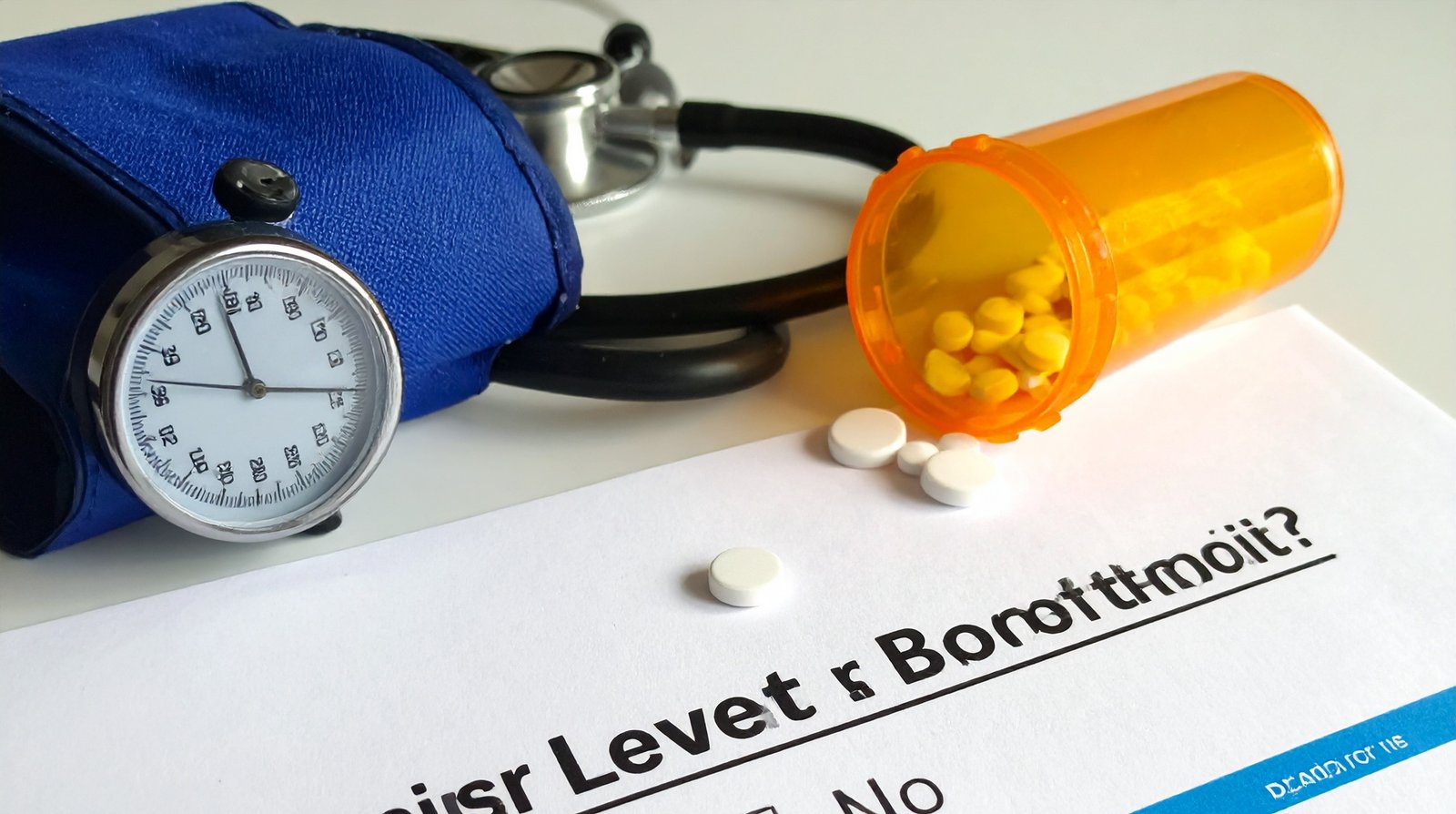
Can Aspirin Lower Blood Pressure? A Complete Guide
Aspirin is a commonly used drug in the world. People use it daily in order to relieve pain, fever or heart health in millions. But another question many people ask themselves is: does aspirin reduce blood pressure? This article discusses the use of aspirin in blood pressure, its advantages, risk, and scientific evidence.
What is Aspirin?
Aspirin, which is also referred to as acetylsalicylic acid, is a drug that is used to treat pain, inflammation as well as fever. It is one of those drugs known as nonsteroidal anti-inflammatory drugs (NSAIDs).
- Pain: Aspirin is useful in headaches, joint pains and minor injuries.
- Anti-inflammatory: Swelling and inflammation of the body is reduced.
- Heart health: Inhibits the presence of blood clots and lowers the chances of heart stroke or heart attack.
A large number of individuals are using low dose aspirin on a daily basis to protect against cardiovascular disease.
How Blood Pressure Works?
Blood pressure is a measurement of the pressure of blood on the walls of your arteries. It is given in the form of two figures:
- Systolic:The pressure at the time the heart beats.
- Diastolic: The pressure at rest of heart.
Heart disease, stroke, and kidney problems are some of the possible effects of high blood pressure or hypertension. Blood pressure is a necessary aspect of health control.
Can Aspirin Lower Blood Pressure?
Aspirin does not have a strong direct effect on the blood pressure. Aspirin is not a typical drug of high blood pressure. Nevertheless, studies indicate that it has some advantages under some circumstances:
- Low dose aspirin and morning blood pressure:There are some studies indicating that low doses of aspirin in the evening can help to decrease blood pressure by a little bit in hypertensive patients.
- The effect of aspirin on arteries: Aspirin helps prevent blood clots and maintain the flexibility of arteries that indirectly helps to maintain healthy blood pressure.
- Protection of the heart: Although it might not mean much in decreasing blood pressure, aspirin is beneficial as it lowers the chances of heart attack or stroke, which is crucial in hypertension patients.
- The point that is worth noting is that aspirin must never substitute prescribed blood pressure drugs.
Aspirin advantages in Heart Health

Aspirin has been well known to have cardiovascular advantages:
- This is because it prevents blood clots: it decreases heart attack and stroke.
- Maintains the health of arteries:Assists in a trouble-free blood flow.
- Lessens inflammation:Inflammation may be chronic and have an impact on the heart.
Aspirin at low dosage is frequently used by people who are at the risk of heart disease. Consult your physician prior to taking this therapy.
Aspirin for Hypertension: What the Research Says?
The studies of aspirin and blood pressure have conflicting findings:
- Certain researchers have indicated that nighttime low dose aspirin intake can actually lower blood pressure to some degree in individuals with high blood pressure.
- Other researches do not show any significant effect on blood pressure, but protection of the heart is observed.
- The time of the day is important. Evening doses can be better than morning doses because of the circadian effect.
Factors Aspirin The primary effect of aspirin is not lowering blood pressure, but cardiovascular protection.
How to Use Aspirin Safely?
In case you want to take aspirin, you should remember these tips:
- See your doctor: It is particularly important to follow up with your doctor when you have a high blood pressure problem or any other illness.
- Take in low-dose aspirin:75-100 mg daily is a common dose when it comes to the heart.
- Eat with food:decreases stomach irritation.
- Side effects:Observe bleeding, stomach pain or allergic reactions.
- Incident not to self-medicate: Aspirin may be used in combination with other drugs.
It is essential to consider safety to prevent such complications as internal bleeding or stomach ulcers.
Aspirin Side Effects
Despite the numerous advantages, aspirin may have side effects and specially when taken in long term:
- Gastrointestinal problems:Stomach pains, heartburn or ulcers.
- Bleeding issues:Nosebleed, easy bruising or any bleeding within the body.
- Allergic reactions:Rash, swelling or difficulty breathing.
- Kidney: Uncommon, though may occur in the long term.
Weigh the good against the bad. Aspirin in low doses is usually safe when supervised by a doctor.
Substitutes to Lower Blood Pressure
Aspirin is not a better way than other means in case you want to keep your blood pressure within the normal range:
1. Lifestyle changes:
- Reduce salt intake
- Eat well-balanced food, which includes fruits and vegetables.
- Exercise regularly
- Maintain a healthy weight
2. Medications:
- ACE inhibitors
- Beta-blockers
- Diuretics
- Calcium channel blockers
3. Stress management: Deep breathing, meditation and yoga are natural ways of reducing blood pressure.
Aspirin can help with the health of the heart but it can not substitute these procedures.
Who Should Take Aspirin?
Aspirin is not something everybody ought to take on a daily basis. It is usually prescribed in case of:
- Individuals who are at a high risk of stroke or heart attack.
- Patients who have cardiovascular disease history.
- Certain elderly adults having certain risk factors.
A physician may assist in deciding whether or not aspirin treatment is safe and helpful to you.
Aspirin in the Morning vs. Evening: It Depends
Recent studies indicate timing has an influence on the effect of aspirin:
- Morning doses:Not very effective in reducing blood pressure.
- Evening doses: May decrease blood pressure in patients with hypertension moderately.
You should take the time given by your doctor.
Key Takeaways
- Aspirin primarily is used to relieve pain and protect the heart.
- It has a minor impact on blood pressure that differs in individuals.
- Aspirin, taken in small doses can help prevent heart attack and stroke.
- Aspirin therapy should never begin without consulting the doctor.
The blood pressure can be better controlled with lifestyle changes and medications.
Final Thoughts
Aspirin is a potent medication however not a first line drug against high blood pressure. Its primary action is the prevention of blood clots and heart support. Certain research indicates that there are small blood pressure effects at night but this is not significant to substitute prescribed medication.
To anyone who is worried about hypertension, lifestyle, diet, exercises and good medication are all that matters. Aspirin can be a useful supplement under the supervision of a doctor, but it should not be considered as primary therapy of high blood pressure.
Keep in mind, you want to be healthy. Make the correct decisions, abide by the medical counsel and use aspirin in moderation.
Hi sir,
I hope you are doing well.
I have high quality websites ( DA 30 to DA90) for paid link building services.
I will provide you with a permanent dofollow link with instant google indexing
with no sponsored tags .
Please let me know if you are interested in these websites and any order for me.
Some sample of websites : DA
https://www.bloghalt.com 26
https://timebusinessnews.com/ 71
https://thesiliconreview.com/asia 74
https://techysumo.com/ 43
https://www.computertechreviews.com/ 58
tuambia.org 37
https://designsvalley.com/ 34
http://www.thoughtsmag.com 57
https://www.urbansplatter.com/ 61
https://kreafolk.com/ 51
https://www.theplaidhorse.com/ 65
waiting your positive fast response
Best regards
Thanks
.
Thank you for your offer. I’m also SEO expert and have websites.